

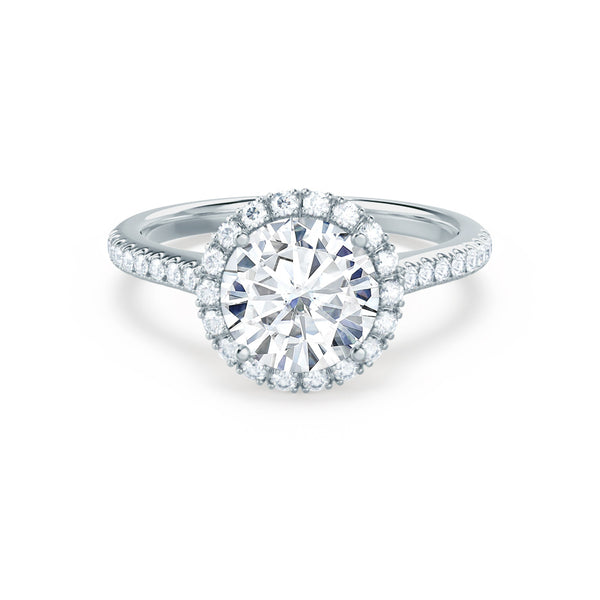
In the evolving world of design, certain nuances often carry more weight than bold statements, and this is where the charm of delicate accents becomes especially significant. Today, many designers and style enthusiasts find inspiration in subtle details that enhance modern aesthetics, including brands like lily arkwright whose offerings reflect the refined spirit of contemporary taste. These delicate touches can elevate not only visual appeal but also the emotional connection people develop with the objects and spaces around them.
Modern aesthetics are shaped by a growing appreciation for simplicity and intentionality. Rather than relying on heavy ornamentation or elaborate displays, designers are choosing understated elements that create a quiet sense of elegance. This shift mirrors larger cultural movements focused on mindfulness, sustainability, and authenticity. In interiors, fashion, and decorative arts, small choices such as the curve of a handle, a soft color transition, or the placement of a minimal motif can transform an entire composition. These are details that do not demand attention yet leave a lasting impression.
One of the defining characteristics of delicate accents is their ability to carry emotional depth. A piece of jewelry with a subtle sparkle, a lamp with a refined silhouette, or a garment featuring a barely noticeable texture can evoke feelings of calm, grace, and sophistication. The power of these accents lies in their restraint. They encourage viewers to slow down, observe, and appreciate understated beauty. This approach aligns with the broader trend of creating environments and ensembles that feel personal and curated rather than mass produced or overly extravagant.
In interior design, delicate accents have become a cornerstone of contemporary styling. Designers often incorporate gentle patterns, thin lines, soft fabrics, and warm neutral tones. Even functional items are crafted to act as visual adornments without overwhelming a space. A strategically placed ceramic vase, an airy pendant light, or a subtle decorative trim on furniture can pull together the elements of a room while maintaining a clean and uncluttered appearance. These understated details support harmony and balance while still showcasing individuality.
Fashion has also embraced the influence of delicate accents. Trends increasingly incorporate fine materials, refined cuts, and small yet expressive embellishments. Instead of flashy patterns or heavy accessories, many collections highlight structured simplicity with carefully chosen details that speak to elegance and comfort. This shift reveals a preference for designs that feel effortless and natural. When delicate accents shape a garment, they help blend practicality with beauty in a way that aligns with modern lifestyles.
In product design, the emphasis on delicate detailing encourages innovation and thoughtfulness. Makers are discovering new ways to craft everyday items that feel special without being overly ornate. Through thoughtful experimentation with textures, materials, and forms, they create products that stand out for their quiet charm rather than loud branding. This method resonates with people who value meaningful craftsmanship and well considered design choices.
Ultimately, the charm of delicate accents shaping modern aesthetics reflects a broader desire for authenticity and harmony. Each soft detail contributes to an environment or object that feels intentional and meaningful. As creators and consumers continue to gravitate toward these refined touches, modern design evolves into a landscape that celebrates subtlety, beauty, and purpose.