

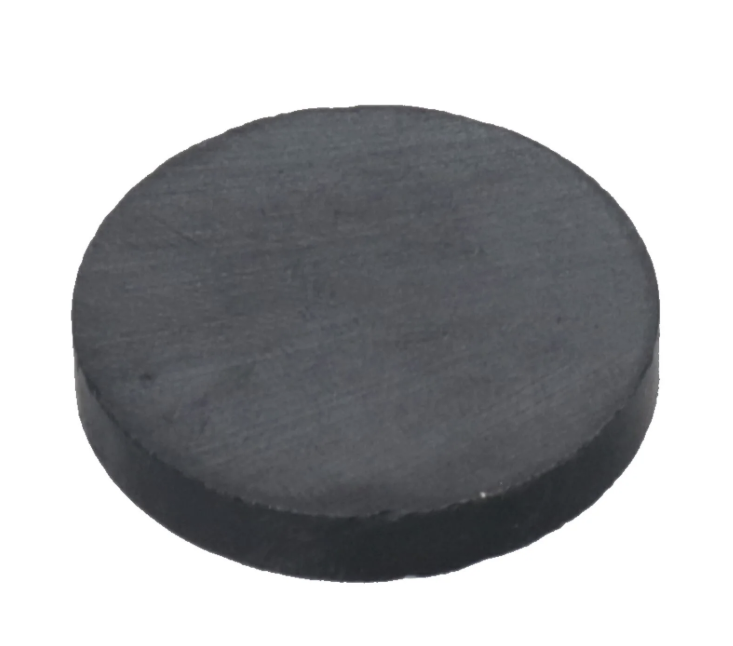
Industrial magnets are used in far more applications than most people realize. They support electric motors, conveyor systems, magnetic separators, sensors, and automated manufacturing equipment across countless industries. However, selecting the right magnet is not simply about magnetic strength. Different industrial systems require different performance characteristics depending on temperature, durability, efficiency, and operating conditions.
This is why manufacturers often compare industrial-grade ring magnet solutions with industrial ferrite magnet products when designing industrial equipment.
The Importance of Magnet Selection in Industrial Systems
Magnets directly influence the efficiency and reliability of many industrial operations. A poorly selected magnetic material can lead to reduced performance, equipment instability, and unnecessary maintenance costs.
Before choosing a magnet, engineers usually evaluate:
- Magnetic strength requirements
- Operating temperature
- Environmental exposure
- Equipment size limitations
- Long-term operational stability
Ring magnets and ferrite magnets both offer practical advantages, but their performance differs depending on the application.
Why Ring Magnets Are Common in Rotational Equipment
An industrial-grade ring magnet is designed with a central opening that allows it to fit around rotating shafts and cylindrical components. This structure makes it especially useful in systems involving rotational movement and controlled magnetic alignment.
Industries commonly use ring magnets in:
- Electric motors
- Industrial pumps
- Sensors
- Coupling systems
- Precision automation equipment
The circular design helps create balanced magnetic fields that improve rotational efficiency and equipment stability.
Many high-performance systems rely on ring magnets because they support compact engineering while maintaining strong magnetic force.
Understanding Industrial Ferrite Magnets
Industrial ferrite magnets are manufactured using iron oxide ceramic materials. They are widely used because they offer dependable magnetic performance at a relatively affordable cost.
Ferrite magnets are commonly selected for applications where:
- Moderate magnetic strength is sufficient
- Corrosion resistance is important
- Large production volumes are required
- Long service life matters
Unlike some high-strength magnetic materials, ferrite magnets naturally resist corrosion and oxidation. This allows them to perform reliably in environments involving moisture and industrial contamination.
Their durability and cost efficiency continue making them popular across manufacturing industries.
Comparing Magnetic Strength and Efficiency
One of the main differences between these magnet types is magnetic power.
Industrial grade ring magnet generally provide stronger magnetic output and better performance in compact systems. This makes them valuable in equipment requiring precise movement control and higher operational efficiency.
Industrial ferrite magnets provide lower magnetic strength but offer stable and reliable performance for many standard industrial tasks.
For applications requiring compact, high-power magnetic systems, ring magnets are often preferred. For general industrial use where cost efficiency matters more, ferrite magnets remain a practical solution.
Performance Under Harsh Operating Conditions
Industrial environments can expose magnets to vibration, dust, temperature fluctuations, and continuous mechanical stress. Reliable performance under these conditions is essential for maintaining production stability.
Ferrite magnets perform especially well in outdoor or moisture-exposed environments because of their natural corrosion resistance.
Industrial-grade ring magnets often require protective coatings or specialized engineering to maintain long-term performance in harsh conditions.
The operating environment often becomes one of the biggest deciding factors during magnet selection.
Cost Considerations for Manufacturers
Budget is another important factor when selecting industrial magnetic materials.
Ferrite magnets are generally more affordable and easier to produce in large quantities. This makes them suitable for high-volume manufacturing applications where moderate magnetic performance is acceptable.
Industrial grade ring magnets may involve higher initial costs, but they often provide stronger performance, improved efficiency, and more compact system designs.
Many manufacturers balance performance needs with long-term operational costs before making a final material decision.
How Industries Choose the Right Magnet
Different industrial systems require different magnetic solutions. Equipment involving compact motors, advanced automation, and precision engineering often benefits from industrial-grade ring magnets because of their stronger magnetic capabilities.
Applications involving large-scale manufacturing, moisture exposure, or budget-focused production may perform more effectively with industrial ferrite magnets.
Understanding the operational demands of the system helps manufacturers select magnets that deliver dependable long-term performance.
Conclusion
Industrial grade ring magnets and industrial ferrite magnets both play important roles across modern manufacturing and engineering systems. Their differences in magnetic strength, durability, cost, and environmental performance allow industries to select the right material for specific operational needs.
As industrial technology continues advancing, reliable magnetic materials remain essential for improving equipment efficiency and production stability. Companies searching for advanced industrial magnetic solutions can explore engineered products and specialized materials at regmetals.com.