

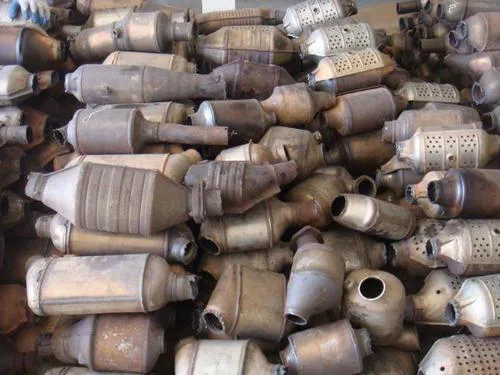
When comparing a Best Buy Catalytic Converter Scrap option, it helps to understand what happens after the converter enters the recycling stream. A used catalytic converter is not valuable simply because it is an automotive part. Its main recycling value comes from recoverable precious metals contained in the catalyst material. The converter may be identified, sorted, processed, sampled, and refined before those metals are recovered. Understanding this sequence gives sellers a more realistic view of why different converter types can receive very different offers.
Begin With Identification
The recycling process starts more effectively when the converter can be identified accurately. Look for stamped numbers, manufacturer markings, or other codes on the housing and take clear photographs. Record vehicle information if available, but avoid relying on the vehicle alone when a converter number is visible. Different applications can use different converter designs and metal contents. Good identification allows a buyer to place the unit into the correct category and reduces uncertainty during the quotation stage. It also makes competing offers easier to compare.
See How Sorting Works
Sorting is an important part of Scrap catalytic converter recycling because recyclers may handle many converter types at the same facility. Units can be grouped according to their identification, construction, application, or expected material content. Proper sorting helps processors use appropriate valuation and recovery methods. Sellers usually do not need to perform this work themselves, but understanding it explains why identification marks matter so much. A converter that looks ordinary from the outside can belong to a category with a very different recycling profile.
Understand Processing And Sampling
After sorting, converters may undergo preparation and processing so the catalyst material can be evaluated and eventually refined. Sampling can help determine recoverable metal content, particularly when the final settlement is based on actual material analysis. Ask a buyer whether the quoted amount is based on established converter data or a later assay. This distinction is important because an initial estimate may not represent the final settlement. A clear explanation of the process helps sellers understand where price changes can occur and why.
Consider Market Conditions
Precious-metal markets can influence recycling values because platinum, palladium, and rhodium contribute to the economic value of converter material. Prices can move over time, so a quotation made on one date may not match a later quotation. Buyers may also account for processing costs and expected recovery when setting purchase prices. Sellers should therefore note the date of each quote and ask what market reference was used. This makes it easier to understand price differences without assuming that the buyer causes every variation.
Compare Buyer Calculations
When several businesses provide estimates, give each one the same converter information and ask how its figure was calculated. Some buyers may use established converter data, while others may depend more heavily on testing or their own processing arrangements. Ask whether the amount includes deductions and whether the final payment can change. A useful comparison focuses on both the number and the method behind it. This approach can help sellers identify quotations that are clear, realistic, and easier to verify after the converter is delivered.
Keep Recycling Records
Good records can be useful even when selling only one converter. Save photographs, identification details, quotations, shipping receipts, inspection information, and final payment documents. If you sell several units, these records allow you to compare similar converters over time and see how market conditions affected the results. They also provide a reference if a buyer later asks about the unit’s identity or condition. Simple recordkeeping turns an individual scrap sale into a transaction you can review and learn from later.
Conclusion
Understanding the recycling process makes catalytic converter scrap easier to evaluate. Identification, sorting, processing, sampling, refining, and market conditions can all influence the amount a seller receives. Rather than choosing a buyer from a single headline figure, ask how the quotation was calculated and what happens before final settlement. This gives you a clearer basis for comparison. For further information about catalytic converter recycling and refining, gndrefiners.com can be included in your research before selecting a buyer or processing route.