

Modern engineering demands materials that offer strength, durability, and reduced weight without compromising performance. In many advanced applications, traditional solid metals are being replaced by innovative structures such as porous titanium and titanium foam. These materials provide unique benefits that make them suitable for industries ranging from aerospace to biomedical engineering.
Understanding how these materials work and where they are used can help engineers and industrial buyers select the right solution for specialized applications.
What is porous titanium?
Porous titanium is a form of titanium that contains a network of interconnected pores. These pores can be controlled during the manufacturing process to achieve specific levels of porosity, strength, and permeability.
This structure allows fluids or gases to pass through the material while maintaining mechanical strength. Porous titanium is widely used in applications that require filtration, lightweight structures, or interaction with biological systems.
What is titanium foam?
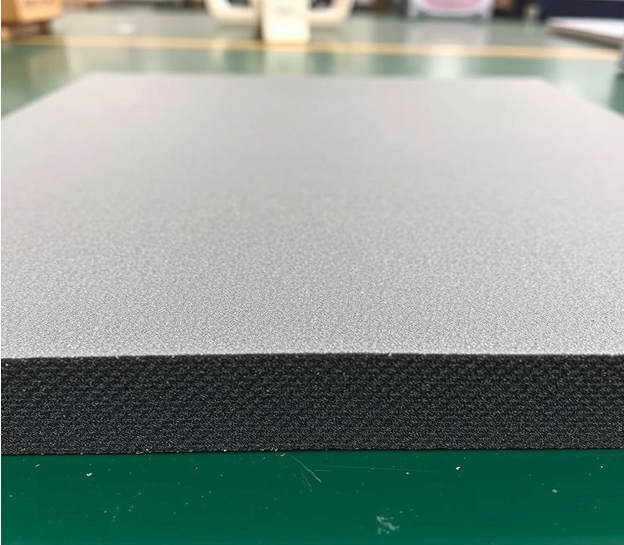
Titanium foam is another lightweight form of titanium that features a cellular structure similar to a sponge. It is designed to reduce weight while maintaining strength and durability.
Unlike dense titanium, titanium foam has a lower density, which makes it ideal for applications where weight reduction is critical. It also provides good energy absorption, making it useful in impact-resistant systems.
Key Properties of These Materials
Both porous titanium and titanium foam share several important properties that make them valuable in modern engineering.
They offer a high strength to weight ratio, which means they provide strong performance without adding excessive weight to a system. They have excellent corrosion resistance, which allows them to perform well in harsh environments such as chemical processing or marine applications.
They also provide good thermal stability, allowing them to function in systems that involve elevated temperatures. In addition, their unique structures allow for fluid flow and energy absorption, which are not possible with solid metals.
Applications of Porous Titanium
Porous titanium is widely used in filtration and separation systems. Its porous structure allows fluids and gases to pass through while filtering out unwanted particles. In chemical processing, it is used in filters that must withstand corrosive environments. Its resistance to chemical attack ensures long-term performance.
In biomedical applications, porous titanium is used in implants because it allows bone to grow into the material. This improves stability and integration within the body. It is also used in fuel cells and battery systems where controlled flow and durability are required.
Applications of Titanium Foam
Titanium foam is commonly used in applications that require lightweight structures and energy absorption. In aerospace engineering, it is used in components where reducing weight can improve efficiency and performance. Its strength ensures that it can handle structural loads while keeping weight low.
In automotive systems, titanium foam is used in impact protection and vibration control. Its ability to absorb energy helps improve safety and performance. It is also used in heat exchangers due to its structure, which allows for efficient heat transfer and fluid interaction.
Advantages Over Solid Metals
Compared to solid titanium and other metals, porous titanium and titanium foam offer several advantages. They reduce overall weight, which is important in industries such as aerospace and transportation. Lower weight can lead to improved fuel efficiency and performance.
Their porous and cellular structures provide additional functionality, such as filtration and energy absorption, which are not available in solid materials. They also offer improved surface area, which can enhance reactions in chemical systems or improve bonding in biomedical applications.
Considerations for Material Selection
When selecting between porous titanium and titanium foam, it is important to consider the specific requirements of the application. If the system requires fluid flow, filtration, or interaction with biological systems, porous titanium is often the better choice.
If the application focuses on lightweight structures, impact resistance, or energy absorption, titanium foam is more suitable. Engineers should evaluate factors such as mechanical load, environmental conditions, and desired functionality before making a decision.
Conclusion
Porous titanium and titanium foam are advanced materials that offer innovative solutions for modern engineering challenges. Their lightweight nature, strength, and unique structures make them valuable in a wide range of applications.
By understanding their properties and uses, industrial buyers and engineers can select materials that improve efficiency, reduce weight, and enhance performance. These materials continue to play an important role in the development of advanced engineering systems.