

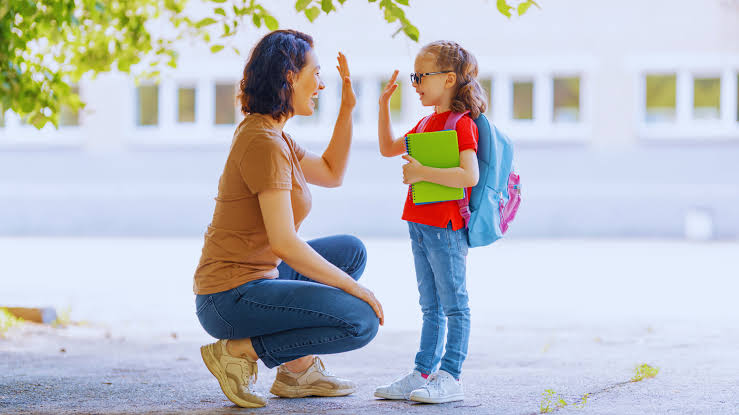
For children, an international move is often experienced through changes in friendships, classrooms, routines, and familiar surroundings rather than through immigration forms. Parents arranging family reunification Luxembourg should therefore plan for emotional and educational adjustment alongside the legal steps. Luxembourg’s multilingual school environment offers opportunities, but it can also feel unfamiliar to pupils arriving from a different education system. Thoughtful preparation helps families make the transition more predictable without expecting children to adapt immediately.
Begin With Honest Family Conversations
Children benefit from age-appropriate explanations of why the family is moving and which aspects of daily life will change. Parents should leave room for mixed feelings, including excitement, worry, and sadness about leaving friends. Involving children in suitable choices, such as preparing a personal keepsake or exploring photographs of the new neighbourhood, can create a sense of participation. Reassurance is most useful when paired with realistic information rather than promises that everything will feel easy.
Research Education Options Early
Luxembourg’s education system uses several languages, and available school pathways may depend on age, location, and individual educational needs. Parents should investigate local schools and any relevant international or specialised options before choosing accommodation. Admissions requirements and practical arrangements should be confirmed directly with the appropriate institutions. A school that suits one child may be less appropriate for a sibling with different language experience or learning needs.
Assemble School Records Thoughtfully
Previous report cards, attendance records, and information about learning support may help a new school understand a child’s educational background. Families should ask the institution which records are needed and whether translations are required. Health or educational information should be shared only through appropriate channels and where relevant. Maintaining orderly copies reduces repeated requests, but parents should avoid assuming that a document accepted in one school will automatically satisfy another institution’s procedures.
Organise Practical First-Week Needs
A family checklist can reduce stress when education and relocation tasks overlap. Useful items include:
-
Confirming school contact details and attendance arrangements.
-
Checking transport options and journey times.
-
Preparing necessary supplies and identification records.
-
Discussing language support with school staff.
-
Identifying a trusted contact for unexpected difficulties.
The list should remain flexible because requirements vary by school. Parents may also need to coordinate work schedules while children establish new routines.
Recognise Different Immigration Circumstances
Children’s residence arrangements depend on their nationality, family relationship, and the sponsoring adult’s status. Families researching immigration Luxembourg information should distinguish the immigration application from school enrolment. Permission to reside and access to education involve different administrative questions. Parents should verify applicable procedures and deadlines before travel, rather than expecting schools to resolve residence-document issues on their behalf.
Support Language Learning Without Pressure
A child encountering new classroom languages may need time before participating confidently. Parents can encourage regular practice through books, play, friendships, and school activities without turning every conversation into a lesson. Teachers may be able to explain available support for new arrivals. Comparing children with fluent classmates can be discouraging; gradual progress should be recognised. A predictable home routine also gives children a familiar space after demanding school days.
Watch for Signs of Adjustment Difficulties
Some children settle quickly, while others experience homesickness, tiredness, or reluctance to attend school. Parents should listen carefully and keep communication open with teachers when concerns continue. Community activities can create friendships outside the classroom and help children feel connected to their surroundings. Families may also benefit from preserving familiar traditions, foods, and contact with relatives abroad. Successful integration does not require abandoning the child’s existing identity.
Coordinate With Schools After Arrival
The transition does not end with enrolment. Parents may need to understand homework expectations, attendance rules, school communications, and support available for pupils who are new to local languages. Regular, respectful contact with teachers allows concerns to be raised early. Families should also recognise that children may need different amounts of time to adjust. A few practical conversations after the first weeks can be more useful than assuming that silence means every difficulty has disappeared.
Conclusion
School planning deserves a prominent place in family relocation decisions because children experience change differently from adults. Research, honest communication, practical routines, and appropriate educational support can make unfamiliar surroundings easier to navigate. Families may use administrative coordination through immigrate.lu while separately consulting schools and public authorities about their responsibilities. The strongest beginning is not a flawless first school day, but a child who knows that questions and difficulties can be discussed openly.