

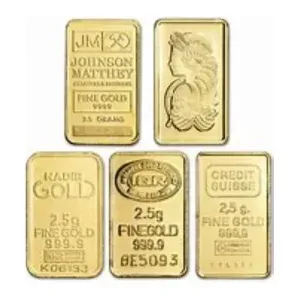
Gold bars come in an impressive range of sizes, and the right one depends on what you want from it. Shoppers browsing a 2.5 gram gold bar for sale often have very different goals from those eyeing a heavy ingot. Understanding that spectrum makes every purchase more deliberate. Here is a practical way to think it through.
Starting Small With Fractional Bars
Fractional bars weigh just a few grams, which keeps the entry price low. They let a newcomer own real gold without a large upfront commitment. Many people treat them as a first step before moving to bigger formats. Small steps still count.
Their size also makes them easy to gift, since a single bar fits in a small presentation box. Recipients tend to remember the gesture. The trade-off is a higher premium relative to the amount of gold you receive.
Stepping Up to Larger Formats
As budgets grow, many buyers move toward bars in the tens or hundreds of grams. Heavier bars spread fixed production costs across more metal, which usually lowers the premium for each gram. That efficiency is the main reason larger formats attract serious savers.
A gold bar 100g sits in a practical sweet spot at roughly 3.2 troy ounces. It carries meaningful value yet remains easy to handle and store. Plenty of buyers consider it the natural graduation from smaller bars. Check current availability before planning around one.
Price Per Gram Explained
Comparing bars by headline price can mislead. A smarter measure is the cost per gram, which reveals how much you pay above the metal’s value. Divide the total price by the weight to compare fairly. A quick calculator makes this easy.
Remember that premiums change with market conditions and product availability. A bar that looks expensive today may look reasonable next month. Tracking prices over a few weeks gives you a clearer sense of what is normal. Patience often pays.
Packaging and Assay Cards
Most bars arrive sealed in tamper-evident packaging that doubles as an assay card. The card confirms weight, purity, and the refiner. Breaking the seal can make resale a little harder, so open it only when necessary. Treat the packaging as part of the product.
Check that the details on the card match the bar before you accept delivery. Look for crisp stamping and consistent finishing. Photograph everything as soon as the package arrives for your own records. A minute of inspection prevents later disputes.
Liquidity When You Sell
A bar is only as useful as your ability to sell it. Well-known refiners and recognizable weights are accepted quickly by most dealers. Obscure brands may take longer and fetch lower offers. Choosing familiar names keeps your options open.
Smaller bars offer a different kind of liquidity because you can sell them one at a time. That is handy if you only need a portion of your holdings. Large bars are all-or-nothing by comparison. Think about which scenario fits you.
Bars Versus Coins
Bars usually cost less per ounce than government coins because they lack legal tender status and detailed minting. Coins often carry higher premiums but enjoy wider name recognition. Neither is universally better. It depends on your priorities, and many buyers hold a mix of both.
If the lowest cost matters most, bars may win. If instant recognition and easy resale matter more, coins may be preferable. Weighing those priorities helps you avoid regret. Write them down before you start shopping.
A Simple Plan to Follow
Start by deciding your budget and your reason for owning gold. Then choose a size range that fits, and compare price per gram across a few options. Keep notes as you go. Clarity comes quickly once the numbers sit side by side.
Revisit your plan every few months. Your goals, budget, or storage setup may change, and your holdings can change with them. Gradual, thoughtful building usually beats impulsive buying. There is no prize for speed, and consistency is the real advantage.
Choosing Your Bar Wisely
The right bar is the one that matches your budget, storage habits, and plans for selling. Start small if you are unsure, and scale up as confidence grows. For product details and sizing options, explore gibraltarira.com and compare formats side by side before deciding. Informed buyers rarely regret taking their time.