

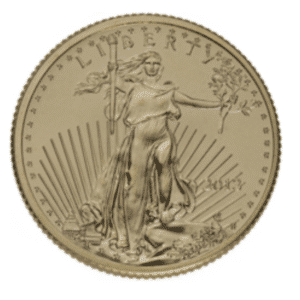
Physical gold comes in many forms, from large bullion bars to smaller coins. For people interested in recognizable bullion products, American Gold Eagles are one option worth understanding before making a purchase.
A buyer should look beyond the appearance of a coin and consider its weight, composition, pricing, intended purpose, and storage. Knowing these details makes it easier to compare available options without making a decision based solely on familiarity.
Understand What You Are Buying
American Gold Eagle bullion coins are produced by the United States Mint and are available in several denominations and weights. Their recognizable design and standardized specifications make them familiar products within the physical precious-metals market.
Anyone considering buying american eagle gold coins should first understand the different sizes available. Comparing weights can help buyers choose a format that better suits their budget and reasons for owning physical gold.
Look Beyond the Face Value
Bullion coins have a legal-tender face value, but that figure should not be confused with the value of the precious metal contained in the coin. Gold-market pricing and other factors are much more relevant when bullion products are bought and sold.
This distinction is useful for newcomers who may initially view a bullion coin like an ordinary circulating coin. Its role as a physical precious-metal product is what generally attracts buyers.
Compare Different Coin Sizes
American Gold Eagles are offered in multiple sizes, giving buyers choices beyond a full one-ounce coin. Smaller formats can make it possible to purchase gold in increments rather than concentrating the purchase in larger individual pieces.
For example, a 1/4 oz american gold eagle contains one-quarter of a troy ounce of gold. Its smaller format may appeal to buyers who prefer dividing their physical gold holdings among several pieces.
Understand How Pricing Works
The spot price of gold is an important reference point, but physical bullion products are not normally sold at the exact spot price. Product pricing can include a premium reflecting factors associated with manufacturing, distribution, and market conditions.
Premiums may also differ between products and sizes. Buyers should therefore compare the total purchase price rather than assuming that every gold coin carrying the same amount of precious metal will be priced identically.
Decide Why You Want Physical Gold
Before selecting a particular coin, buyers should think about their purpose. Someone making a first physical-gold purchase may have different priorities from an experienced collector or a person gradually building precious-metal holdings.
Clarifying the objective can simplify product comparisons. Weight, quantity, budget, liquidity considerations, and storage preferences can then become practical decision points instead of choosing a product simply because it is well known.
Think About Storage Before Purchasing
Physical precious metals need an appropriate storage plan. Buyers should consider security before making a substantial purchase rather than deciding where to keep the metals after they arrive.
The approach may differ depending on whether precious metals are purchased directly or through certain retirement arrangements. Buyers considering retirement-account ownership should understand the applicable custody and storage requirements before proceeding.
Learn the Difference Between Bullion and Collectibles
Not every gold coin is purchased for the same reason. Bullion buyers generally focus strongly on precious-metal content, while collectible or numismatic coins may also derive value from rarity, condition, history, or collector demand.
Understanding the distinction can prevent confusion when comparing prices. Two gold coins of similar size may have very different market characteristics depending on their type, condition, scarcity, and demand.
Consider Buying in Stages
A buyer does not necessarily need to make an entire planned gold purchase at one time. Some people prefer making purchases gradually, allowing them to become familiar with different products and the mechanics of owning physical metals.
This approach does not eliminate market risk or guarantee a better price. Gold prices can move in either direction, so purchasing decisions should remain connected to individual circumstances rather than attempts to predict short-term movements.
Check Product Details Carefully
Before completing a purchase, review the product description carefully. Weight, type, condition, quantity, and other listed specifications should match what the buyer intends to purchase.
It is also sensible to understand the dealer’s transaction procedures and applicable terms. Asking questions before placing an order can prevent misunderstandings, particularly for someone purchasing physical precious metals for the first time.
Conclusion
American Gold Eagles offer buyers several weight options within a widely recognized bullion-coin series. Understanding those sizes, along with premiums, storage, product type, and personal purchasing goals, makes comparisons more meaningful.
Physical gold should still be approached with realistic expectations because precious-metal prices fluctuate and no product guarantees a particular financial outcome. Taking time to understand exactly what is being purchased allows buyers to make decisions based on product characteristics and their own circumstances rather than assumptions.